Observing How Streamlined Verification Processes Alter Engagement Patterns With Diverse Game Formats in Smartphone-Based Entertainment Hubs
Written by Drew Sullivan · Nov 20, 2026
Observing How Streamlined Verification Processes Alter Engagement Patterns With Diverse Game Formats in Smartphone-Based Entertainment Hubs
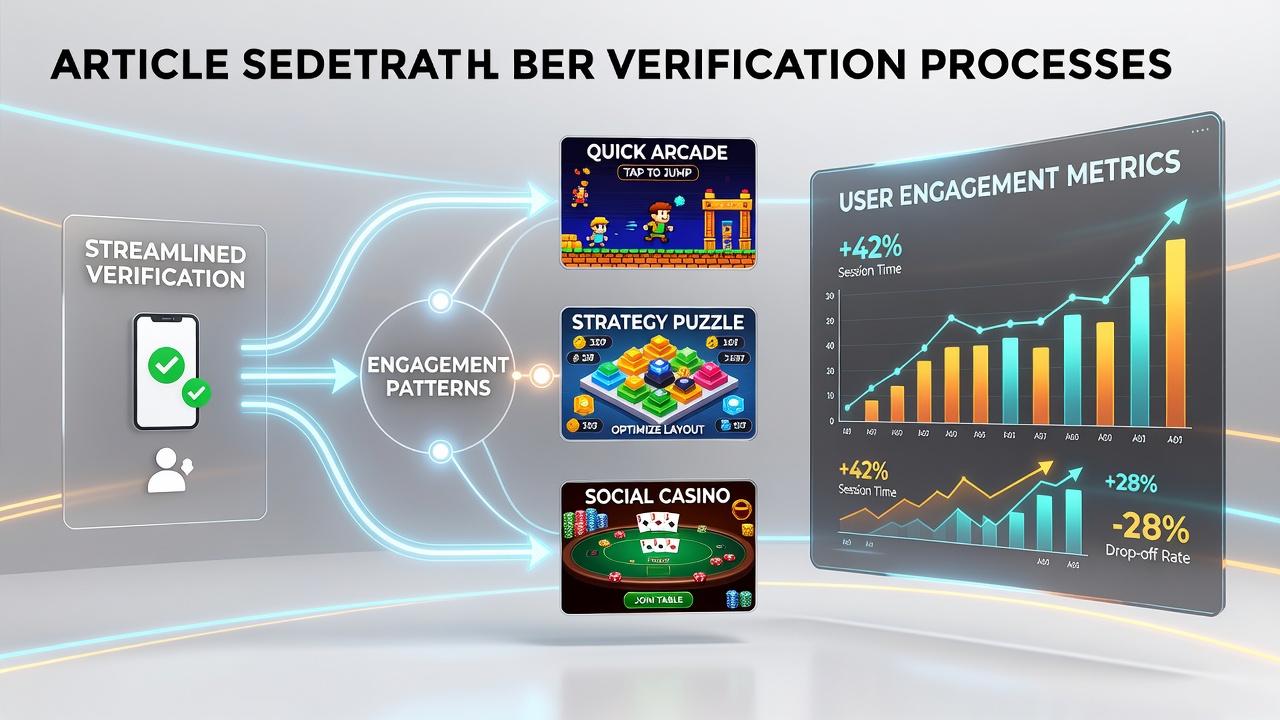
Streamlined verification processes have shifted how users interact with multiple game formats inside smartphone-based entertainment hubs, and data from platform analytics shows faster account confirmation correlates with broader exploration across slots, table games, and live dealer options. Observers note that reduced friction during initial setup allows players to move directly into varied content rather than lingering on single categories, and this pattern appears consistently across regions where digital identity checks have been simplified through biometric tools and integrated payment gateways.
Verification Changes and Initial User Access
Research from industry monitoring groups indicates that verification times dropped significantly in recent platform updates, and users who complete these steps in under two minutes demonstrate higher rates of switching between game types within the first session. Those who've studied mobile app behavior point out that instant document scanning paired with automated cross-checks removes the previous delays that once funneled activity toward familiar formats such as basic slot machines, while newer systems now encourage immediate sampling of progressive jackpots and strategy-based card games. In November 2026 several entertainment hubs reported measurable upticks in cross-format sessions following verification upgrades, and figures reveal participants spent extended periods rotating through wheel-based variants alongside dealer-led experiences once the entry barrier lowered.
Patterns Across Game Categories
Engagement data collected from major smartphone hubs shows streamlined verification influences selection sequences, and users who pass checks quickly often begin with chance-driven titles before migrating to skill-influenced options like blackjack variants. Experts tracking these shifts explain that the same verification layer that unlocks deposit functions also gates access to loyalty features, which in turn promotes deeper dives into live interaction rooms and themed slot collections within single app visits. People who've examined session logs note longer average dwell times on diverse formats when verification occurs seamlessly, whereas older multi-step processes previously limited activity to one or two categories per login.
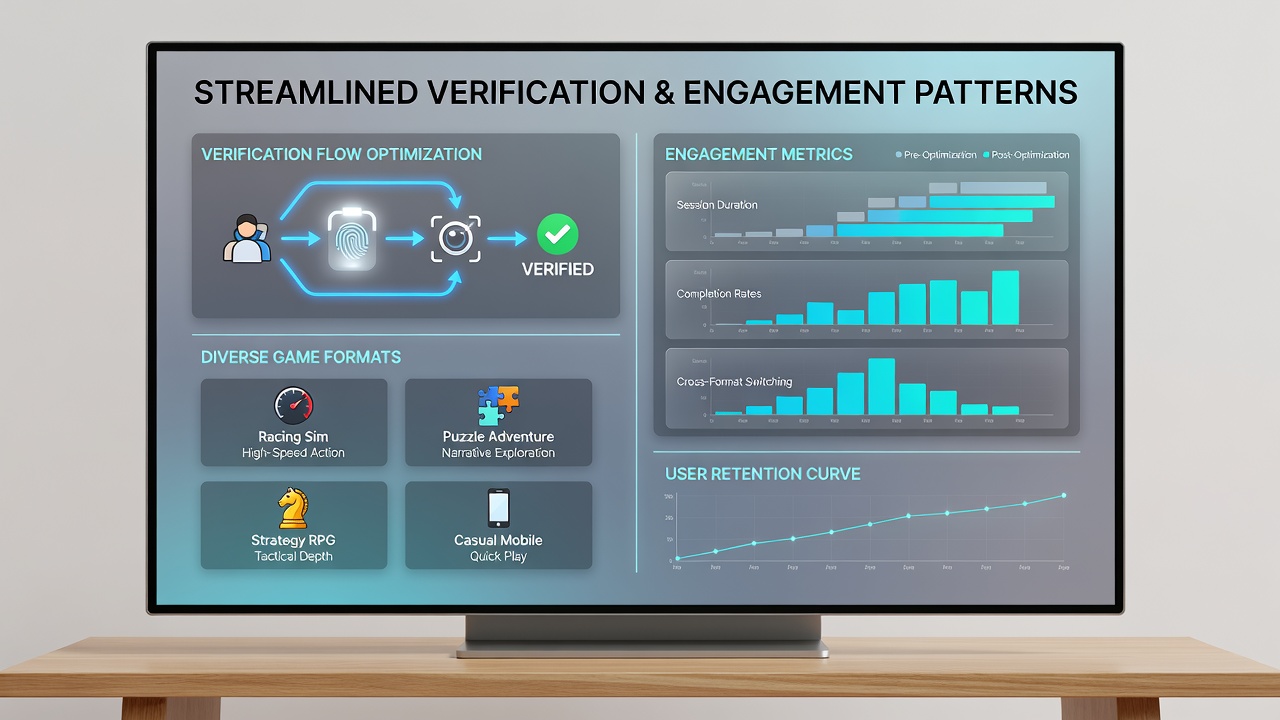
Take one analysis conducted across North American and European hubs that tracked thousands of accounts, and it found verification speed directly affected how often players sampled new releases versus established titles. The same study highlighted that integrated identity tools reduced drop-off rates during onboarding, and this translated into steadier movement between casual mobile slots and more structured table experiences. Researchers discovered that once verification cleared deposit and withdrawal pathways, participants showed increased willingness to test unfamiliar mechanics such as multiplier wheels or hybrid card formats that combine elements from multiple game families.
Regional Data and Platform Adjustments
According to reports compiled by the Australian Communications and Media Authority, verification streamlining in portable entertainment applications produced distinct engagement spikes during late 2026, and these shifts appeared most pronounced in markets where mobile payment systems already supported rapid identity matching. Platform operators adjusted their onboarding flows to align with these findings, and subsequent metrics indicated users explored wider ranges of content once the initial confirmation step no longer required separate app exits or manual uploads. Data shows similar trends in Canadian jurisdictions where gaming regulators have encouraged secure digital transfer methods, and those changes coincided with measurable increases in multi-format play sessions across smartphone hubs.
Observers tracking user pathways point out that verification now serves as a gateway not only to account creation but also to tiered reward structures, and this dual function alters how players allocate time among different entertainment options. Figures from aggregated app telemetry reveal that accounts verified through single-session biometric flows logged higher interaction volumes with live dealer environments alongside traditional slot libraries, suggesting the process influences both entry and continued experimentation. The reality is that these patterns hold across varied device types and operating systems, and developers continue refining verification layers to maintain consistent access speeds regardless of user location or connection quality.
Conclusion
Platform records from November 2026 onward demonstrate that streamlined verification continues to reshape engagement distributions across game formats in smartphone entertainment hubs, and ongoing monitoring by regulatory bodies and research organizations will likely document further adjustments as identity technologies evolve. Those examining the data emphasize that verification speed functions as one variable among many influencing user behavior, yet its effects appear consistently in session diversity metrics across multiple markets.